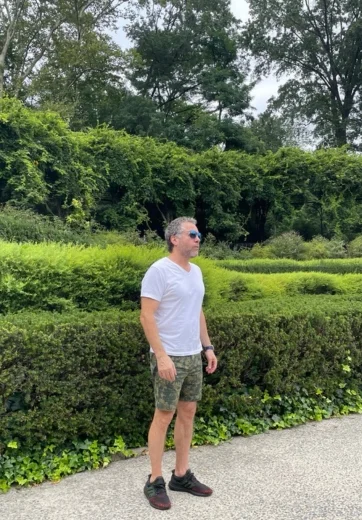

Some people talk about business. Others have actually done it — in different countries, in different eras, under very different rules. I'm one of the latter.
Over thirty-five years I've worked across industries and markets that most entrepreneurs only ever see in isolation. The post-Soviet chaos of the nineties, where fortunes were made and lost in a matter of weeks. A tobacco distribution business turning half a billion dollars a year. Formula 1. The American healthcare market, where I tried to break open one of the most closed industries in the world — and got a firsthand lesson in how a real monopoly fights back when it feels threatened.
Every one of those experiences taught me something no business school ever could. Not because I had some unique talent or got lucky — but because I was always where things were actually happening, and I never backed away from making a call when everything was uncertain. I built from scratch seven times, in seven different sets of circumstances — different markets, different countries, different rules every time. That gives you a perspective that's hard to fake.
I've watched entire markets come to life and collapse. I've operated in conditions where there were no rulebooks, no instructions, no ready-made answers — just common sense and a read on where things were heading. I made mistakes, lost money, started over. And that full journey — not just the wins — is what I actually have something to say about.
Today business is only part of what I follow. Politics, economics, the way decisions made at the top reshape the lives of ordinary people — these are things I can't ignore. When you've lived under several political systems and built businesses across different countries, you start seeing connections that aren't always obvious from the outside.
I don't write books on how to succeed. I don't run masterclasses. But I have a YouTube channel where I talk about business, money and politics the way I actually see them — no polished talking points, no telling people what they want to hear.
Over thirty-five years I've worked across industries and markets that most entrepreneurs only ever see in isolation. The post-Soviet chaos of the nineties, where fortunes were made and lost in a matter of weeks. A tobacco distribution business turning half a billion dollars a year. Formula 1. The American healthcare market, where I tried to break open one of the most closed industries in the world — and got a firsthand lesson in how a real monopoly fights back when it feels threatened.
Every one of those experiences taught me something no business school ever could. Not because I had some unique talent or got lucky — but because I was always where things were actually happening, and I never backed away from making a call when everything was uncertain. I built from scratch seven times, in seven different sets of circumstances — different markets, different countries, different rules every time. That gives you a perspective that's hard to fake.
I've watched entire markets come to life and collapse. I've operated in conditions where there were no rulebooks, no instructions, no ready-made answers — just common sense and a read on where things were heading. I made mistakes, lost money, started over. And that full journey — not just the wins — is what I actually have something to say about.
Today business is only part of what I follow. Politics, economics, the way decisions made at the top reshape the lives of ordinary people — these are things I can't ignore. When you've lived under several political systems and built businesses across different countries, you start seeing connections that aren't always obvious from the outside.
I don't write books on how to succeed. I don't run masterclasses. But I have a YouTube channel where I talk about business, money and politics the way I actually see them — no polished talking points, no telling people what they want to hear.
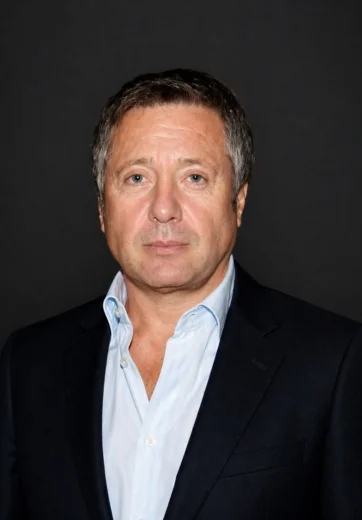
Headshots & Photos